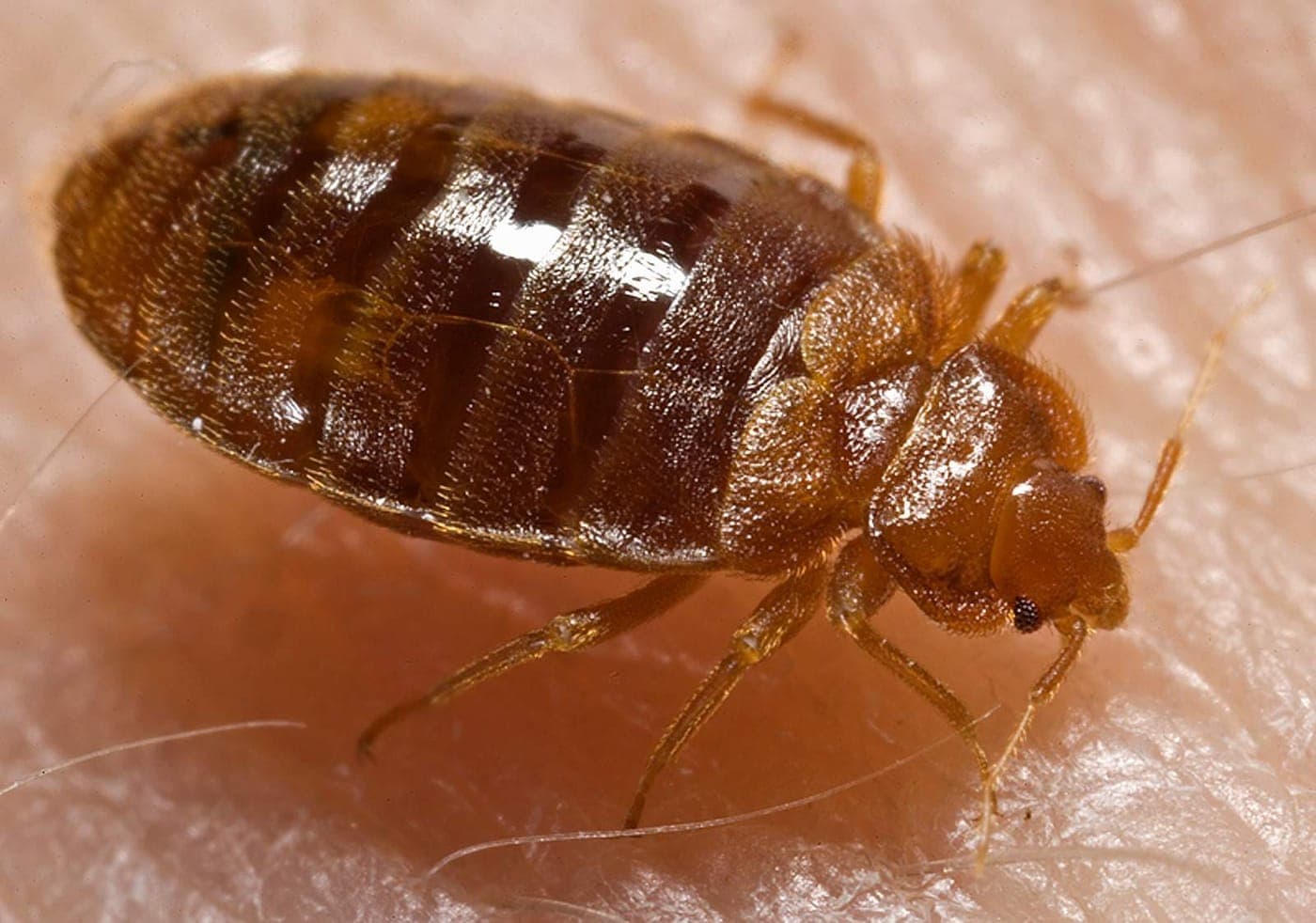
Few things are more discouraging than seeing bedbugs again after you have paid for treatment or spent weeks spraying. It happens for identifiable reasons, and most of them can be addressed. Understanding them also helps you judge whether a treatment plan is realistic.
1. Eggs survived the treatment
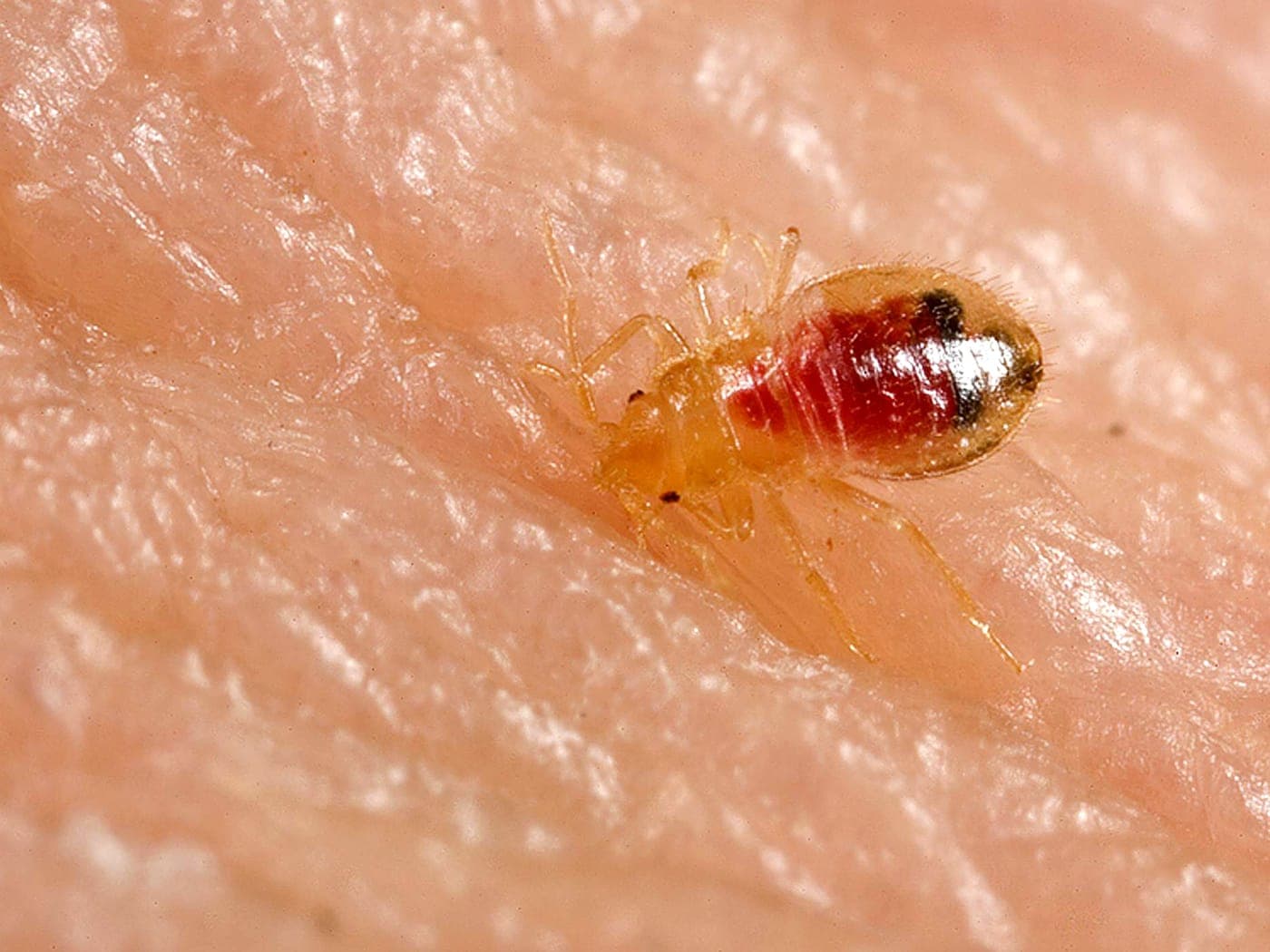
This is the most common reason. Bedbug eggs are protected by a shell that many products do not penetrate well. Bugs that were eggs during the first treatment can hatch days later into a room that now appears clear.
A follow-up treatment timed to catch those newly hatched nymphs — before they mature and lay eggs — is the answer. That is why our two-treatment programme includes a second visit six days after the first.
2. Hiding places were missed
Bedbugs shelter in cracks, joints, screw holes, curtain folds, sockets and behind skirting. A treatment that covers only the mattress, or only the visible insects, leaves populations elsewhere in the room. A thorough inspection maps where they are before treatment starts.
3. Bedbugs were moved to other rooms
When people carry bedding, clothes or furniture from an infested room into another room before or between treatments, they can take bedbugs with them. The treated room improves, but a new problem starts elsewhere.
4. Re-introduction from outside
Treatment does not stop new bedbugs arriving. Common sources are:
- Neighbouring flats in the same building — see how bedbugs spread between apartments.
- Luggage after travel, and visitors' bags.
- Second-hand furniture and mattresses.
- Workplaces, hostels and public transport.
5. Preparation and aftercare were not followed
If the room was not prepared as instructed, the technician may not have been able to reach important areas. Applying extra household sprays between visits, or washing treated surfaces too soon, can also interfere with treatment.
6. Insecticide resistance
In many parts of the world bedbugs have developed resistance to commonly used insecticides. Repeated use of the same supermarket spray can select for resistant bugs. Professional treatment plans take this into account when choosing products and methods.
How to reduce the chance of bedbugs returning
- Choose a structured programme rather than a single visit.
- Follow preparation and re-entry instructions carefully.
- Don't move belongings between rooms during treatment.
- Use mattress encasements so any new activity is easy to spot.
- Report new signs early, while numbers are small.
Our guide on how to reduce the risk of bedbugs returning after treatment covers the practical habits in more detail. If you are seeing bedbugs again, contact us and describe what happened — we will explain the options honestly.