Yes — bedbugs can spread between apartments. In blocks of flats, hostels and other shared buildings, a problem that starts in one unit can reach neighbouring units, and a treated flat can be re-infested from next door. This is why multi-unit buildings need a coordinated approach.
How bedbugs move between units
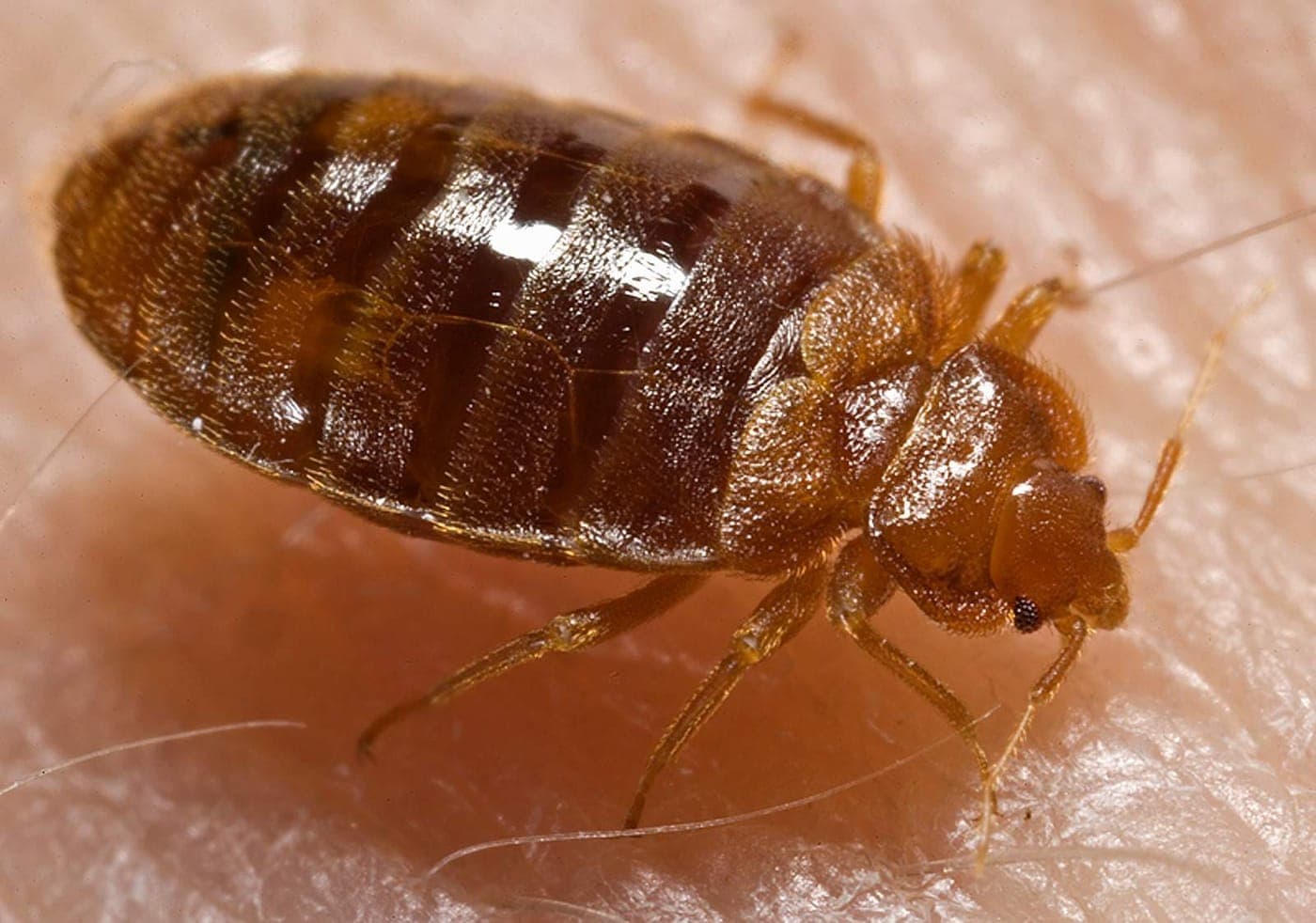
Bedbugs crawl; they do not fly or jump. But they are good at finding routes through a building:
- Gaps around pipes and wiring that pass through walls and floors.
- Gaps under doors into shared corridors.
- Cracks in walls, skirting and ceiling edges.
- Shared spaces such as laundry areas, lounges and staff rooms.
- Belongings and furniture moved through corridors and stairwells, including discarded mattresses left in common areas.
Movement increases when an infestation is large, when a unit is left empty (bedbugs go looking for a host), and sometimes after a unit is treated with products that make bugs disperse.
Signs that a problem is building-wide
- Several tenants reporting bites or bedbugs.
- A unit that keeps getting re-infested after treatment.
- Bedbugs found in a unit that has had no new furniture or visitors.
What tenants should do
- Report the problem to your landlord or agent as soon as you find evidence — early reports make it easier to contain.
- Avoid moving belongings into other flats or storing them in common areas.
- Don't leave infested mattresses or furniture in corridors; ask about safe disposal.
- Follow preparation instructions so treatment can reach every hiding place — see our preparation guide.
What landlords and property managers should do
- Act quickly on reports. Delays allow spread to more units, which costs more to treat.
- Inspect adjoining units — either side, above and below — when a unit is confirmed.
- Coordinate treatment where several units are affected, so bedbugs are not simply pushed from one flat to the next.
- Communicate clearly with tenants about preparation and access.
- Inspect between tenancies, especially for furnished units.
Our commercial and property management service covers multi-unit buildings, with clear reporting for landlords and agents.
Treatment in shared buildings
In an apartment, the same principles apply as in a house: an inspection, then a structured treatment programme. Our two-treatment programme schedules the second treatment six days after the first. In a building with several affected units, the plan should also cover neighbouring units and common areas where evidence is found.
If you are a tenant or landlord in Nairobi dealing with bedbugs, contact us and tell us how many units are affected.