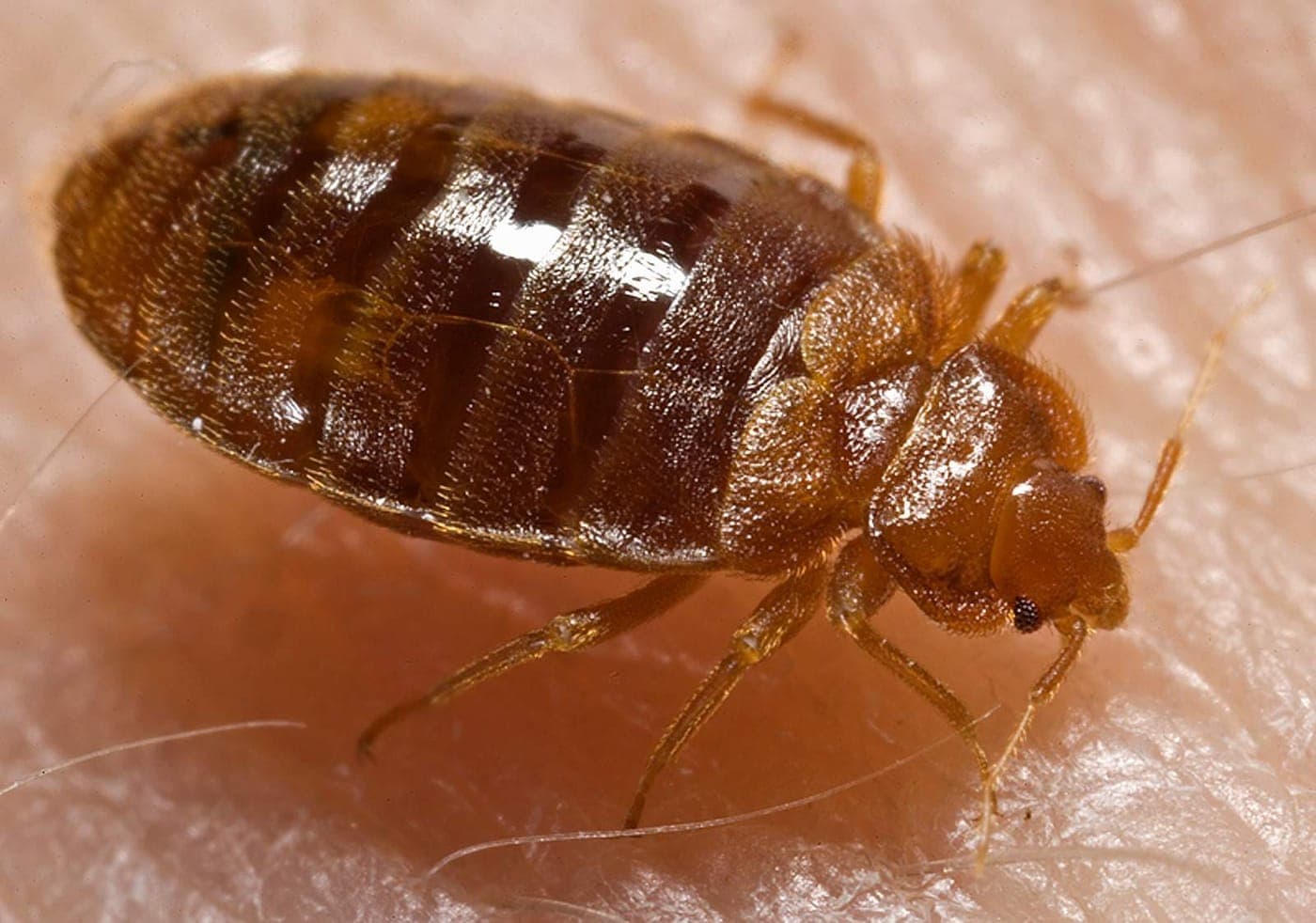
Bedbugs are one of the most frustrating household pests to deal with. They hide well, their eggs survive many treatments, and quick fixes often make things worse. This guide sets out a realistic approach for Kenyan homes: what to do, what to avoid, and when to bring in professional help.
Step 1: Confirm it really is bedbugs
Itchy marks on their own are not enough. Look for physical evidence — dark spots in mattress seams, shed skins, eggs or live insects. Our guide to identifying bedbugs in your mattress and bedroom walks you through it. Treating for the wrong pest wastes money and exposes the household to products it does not need.
Step 2: Contain the problem
- Do not move bedding, clothes or furniture from the affected room into other rooms.
- Do not sleep in a different room if you can avoid it; bedbugs may follow and spread.
- Bag bedding and clothing from the affected room and keep the bags closed until they can be laundered.
- Reduce clutter around the bed so there are fewer hiding places, without carrying items through the house unbagged.
Step 3: Non-chemical measures that help
These reduce numbers and support treatment, although on their own they rarely eliminate an established infestation.
- Heat for washable items. Wash bedding and clothes in the hottest water the fabric allows. Where you have access to a tumble dryer, a hot cycle is particularly effective. Sun-drying alone is not reliable.
- Vacuuming. Vacuum seams, frame joints and skirting edges, then seal and dispose of the vacuum contents outside straight away.
- Mattress encasements. A sealed, zippered encasement traps bedbugs inside the mattress and removes hiding places on its surface.
- Pull the bed away from the wall and keep bedding off the floor, so it is harder for bedbugs to reach you.
Step 4: Be careful with chemicals
Household insecticides can help with a very early, limited problem when they are registered for bedbugs and used exactly as the label directs. But there are real risks:
- Many sprays are not labelled for use on mattresses or bedding.
- Bedbug populations in many countries have become resistant to commonly used insecticides, so a product may simply not work.
- Over-applying, or mixing products, increases exposure without improving results.
Never use paraffin, petrol, agricultural or livestock chemicals, or other improvised mixtures on beds or indoors. They are dangerous — including a serious fire risk — and they are not an effective bedbug treatment. See how to choose bedbug control products for home use.
Step 5: Know when to call a professional
Professional treatment is the better option when:
- You find evidence in more than one room or piece of furniture.
- Bites continue for more than a couple of weeks despite your efforts.
- You live in a flat, hostel or shared building.
- Someone in the household is pregnant, very young, elderly or unwell, and you want to avoid improvised chemical use.
- The property is a rental, hotel or business with obligations to others.
A professional starts with an inspection, then treats the bed, frame, furniture and hiding places with products and methods chosen for the situation and allowed by their labels.
Why a second treatment matters
Bedbug eggs are hard to kill, so some usually survive the first treatment and hatch afterwards. Our core service is a two-treatment programme with the second visit six days after the first, aimed at the bugs that survived and the nymphs that hatched in between. Preparation and following the technician's instructions between visits make a big difference — see how to prepare your home for professional bedbug treatment.