Bedbugs are small, wingless insects that feed on blood, usually at night while people are asleep. They are found in homes, hotels, hostels, offices and public transport all over the world, including across Kenya. Having bedbugs is not a sign of a dirty home: they travel on luggage, furniture and clothing, and settle wherever people sleep or rest.
Understanding how bedbugs live makes it far easier to find them early and to understand why treatment is planned the way it is.
What bedbugs look like
Two species bite people. The common bedbug (Cimex lectularius) is found worldwide, and the tropical bedbug (Cimex hemipterus) is common in warmer regions, including parts of East Africa. They look very similar and are controlled in much the same way.
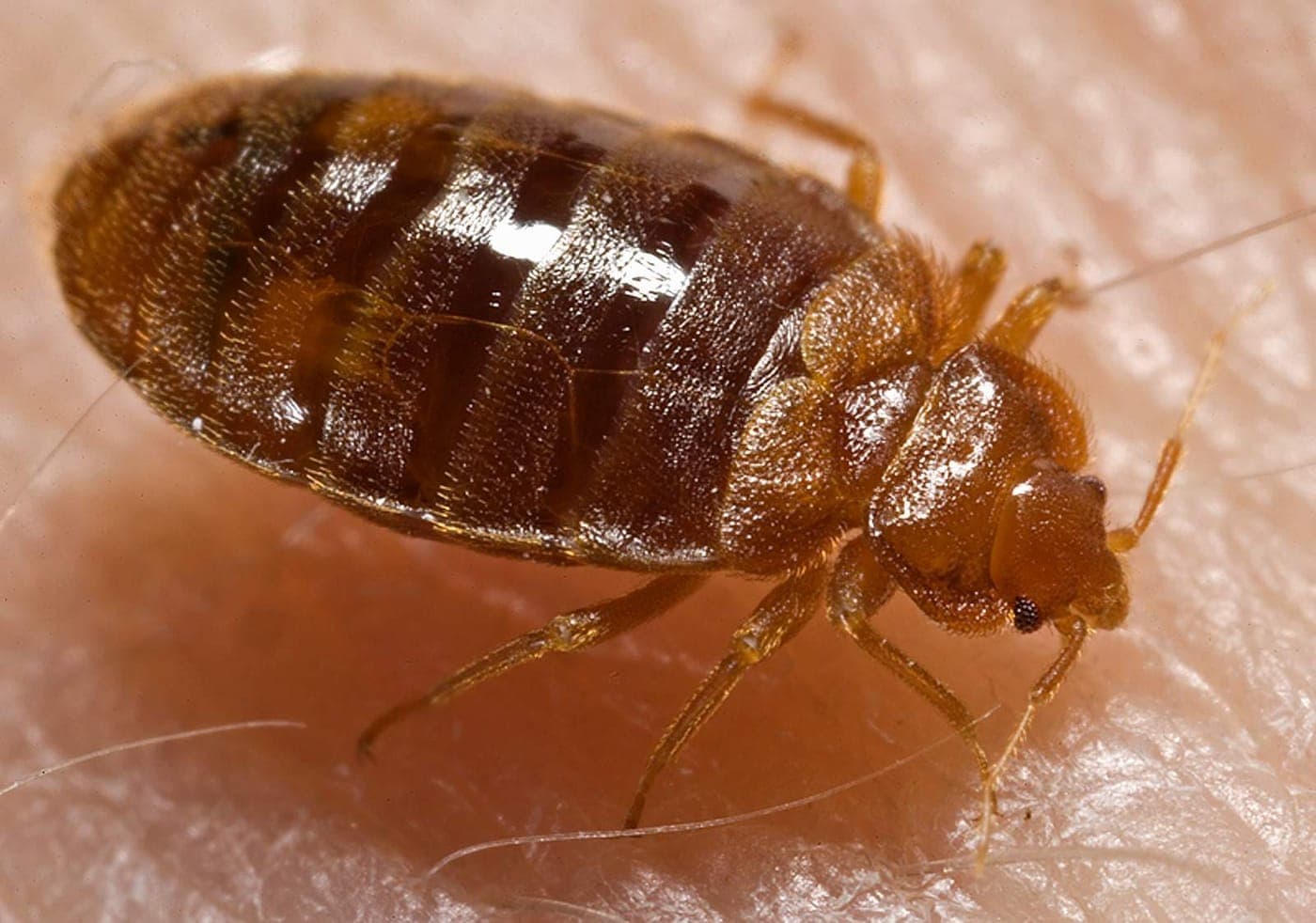
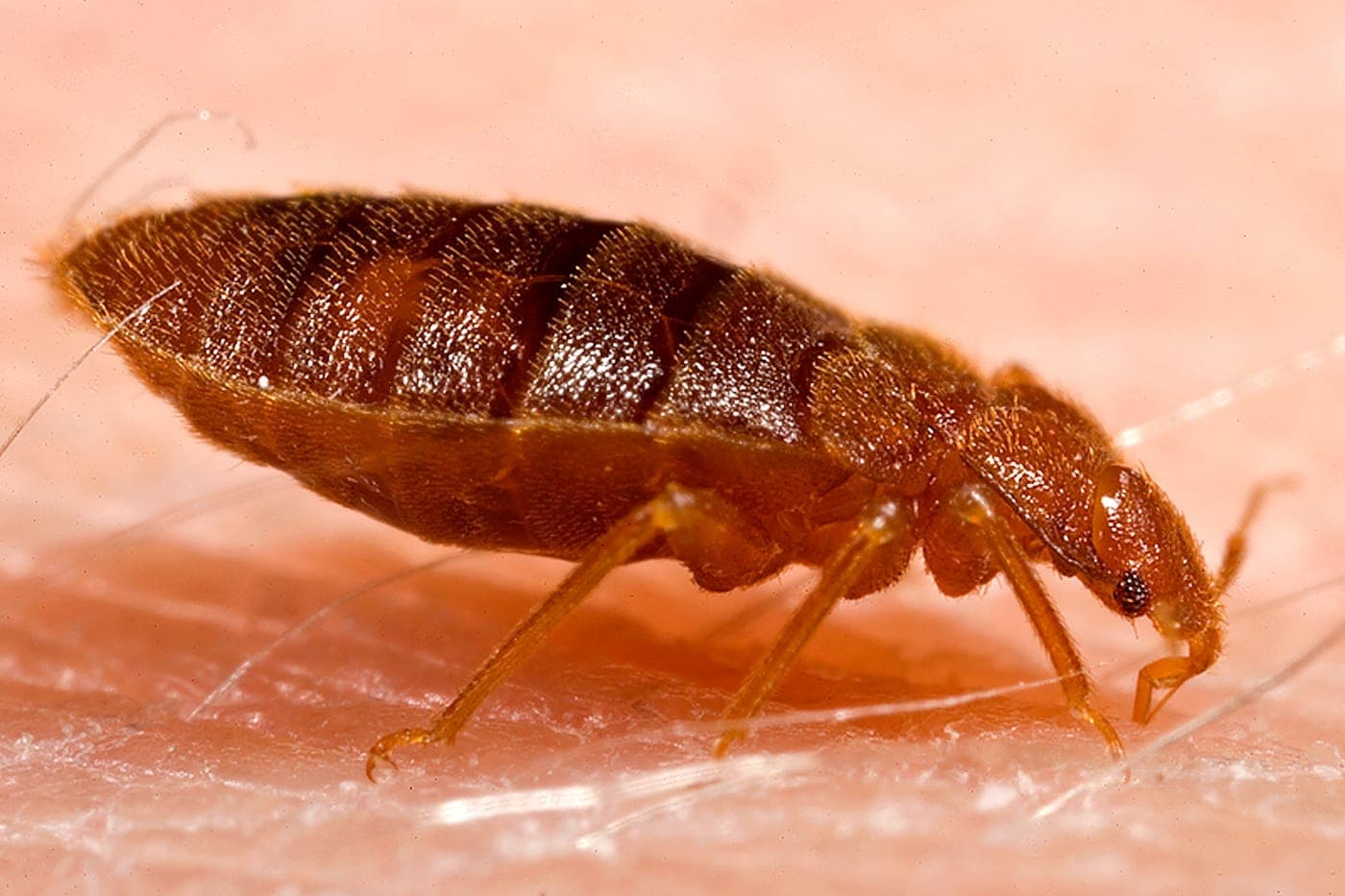
- Adults are flat, oval and reddish-brown, about 5 mm long — roughly the size of an apple seed. After feeding they swell and become darker and more elongated.
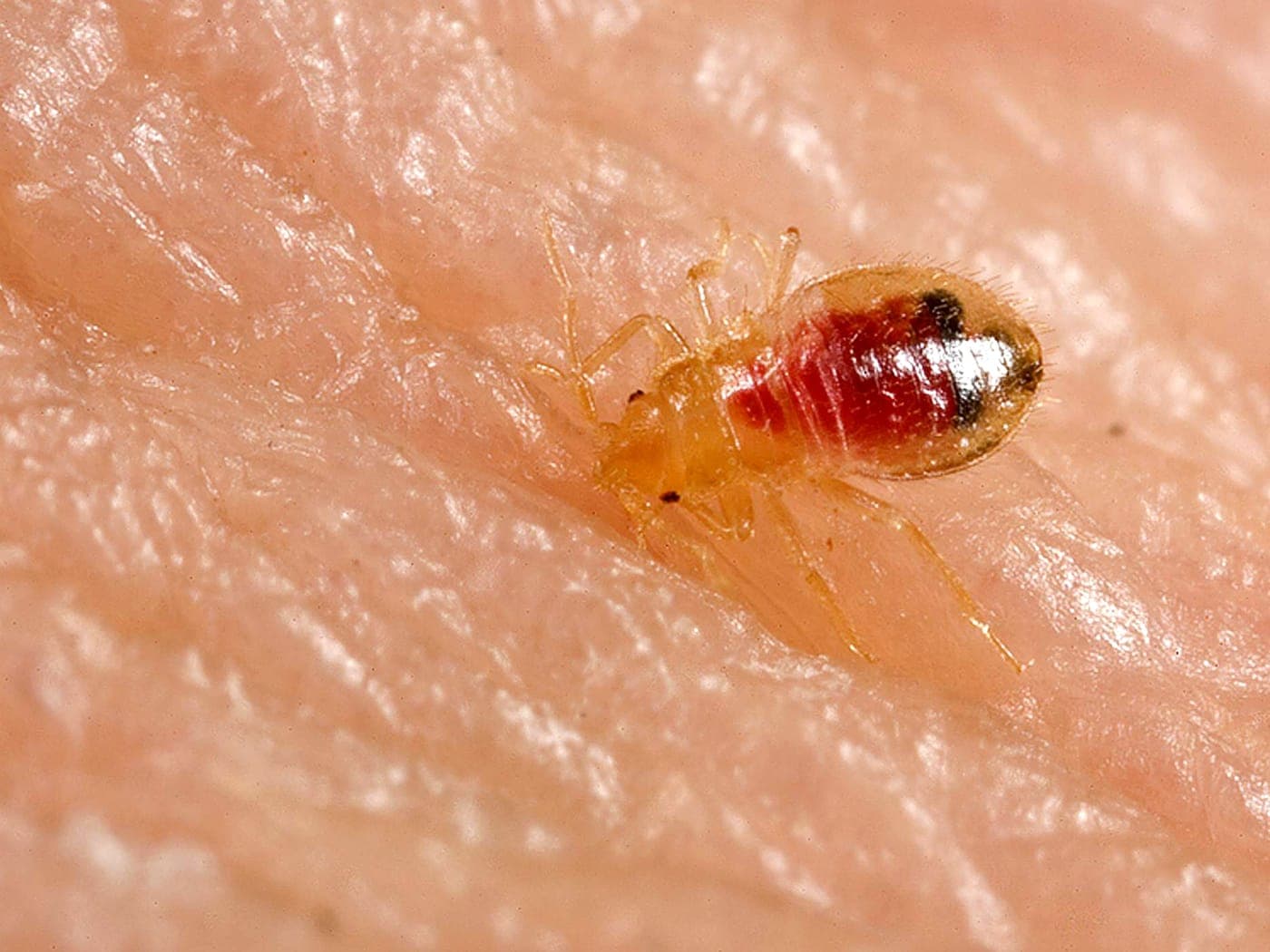
- Nymphs (young bedbugs) are smaller and paler, almost translucent when unfed, turning red after a meal.
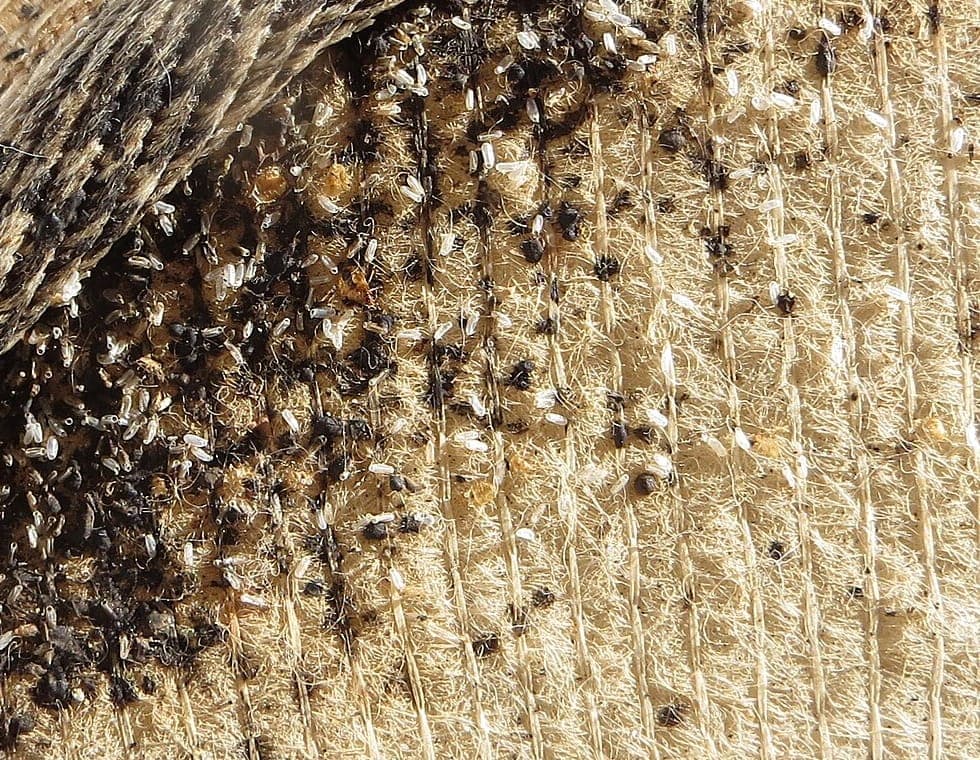
- Eggs are white, about 1 mm long, and stuck firmly to surfaces in cracks and seams.
Bedbugs cannot fly or jump. They crawl, and they are quicker than most people expect. Our guide to bedbug eggs, nymphs and adults shows each life stage in detail.
How bedbugs feed and behave
Bedbugs are attracted to the warmth and carbon dioxide people give off. They usually emerge in the hours before dawn, feed for several minutes, then retreat to a hiding place nearby to digest. Bites are painless at the time, which is why many people only notice the problem when they find marks or evidence on the bed.
Some useful facts about their behaviour:
- They prefer to hide within a few metres of where people sleep, which is why the bed is the first place to check.
- They gather in groups in sheltered cracks and seams, leaving dark spots, shed skins and eggs behind.
- Adults can survive for long periods without feeding, especially in cooler conditions. An empty room is not necessarily a clear room.
- They are not known to spread disease, but bites can cause itching, disturbed sleep and real anxiety.
Common hiding places
Bedbugs look for tight, dark spaces close to a host. In most Kenyan homes, the most common places are:
- Mattress seams, piping, tufts and labels.
- The joints, screw holes and slats of wooden and metal bed frames.
- Headboards, especially the gap between headboard and wall.
- Sofa seams, cushions and the underside of upholstered chairs.
- Bedside tables, drawers and wardrobes near the bed.
- Cracks in skirting boards, wall plaster, and behind loose wallpaper, frames and switch plates.
- Curtain folds and items stored under the bed.
In heavier infestations they spread further from the bed, into other rooms and sometimes neighbouring flats. See how bedbugs spread between apartments.
How bedbugs get into a home
Most infestations start with bedbugs carried in on something. Common routes include luggage after travel, second-hand beds, mattresses and sofas, visitors' bags, and moving between rental units. In blocks of flats they can also move along pipes, wiring and gaps under doors.
What to do next
If you have found evidence, start by confirming it. Our step-by-step guide on how to identify bedbugs in your mattress and bedroom explains exactly what to look for. If you would rather have it checked properly, a professional bedbug inspection confirms whether bedbugs are present and how far they have spread before any treatment is planned.