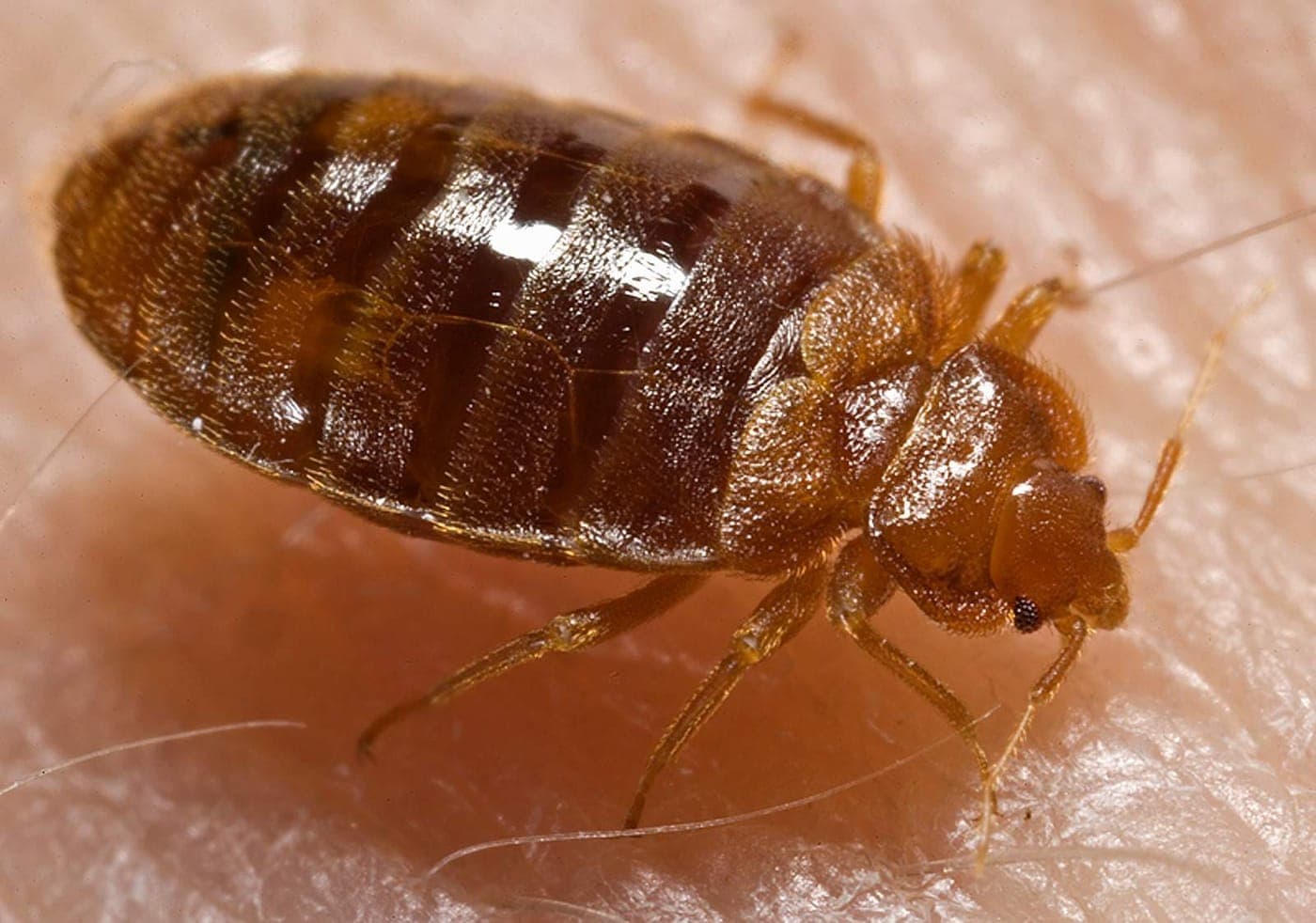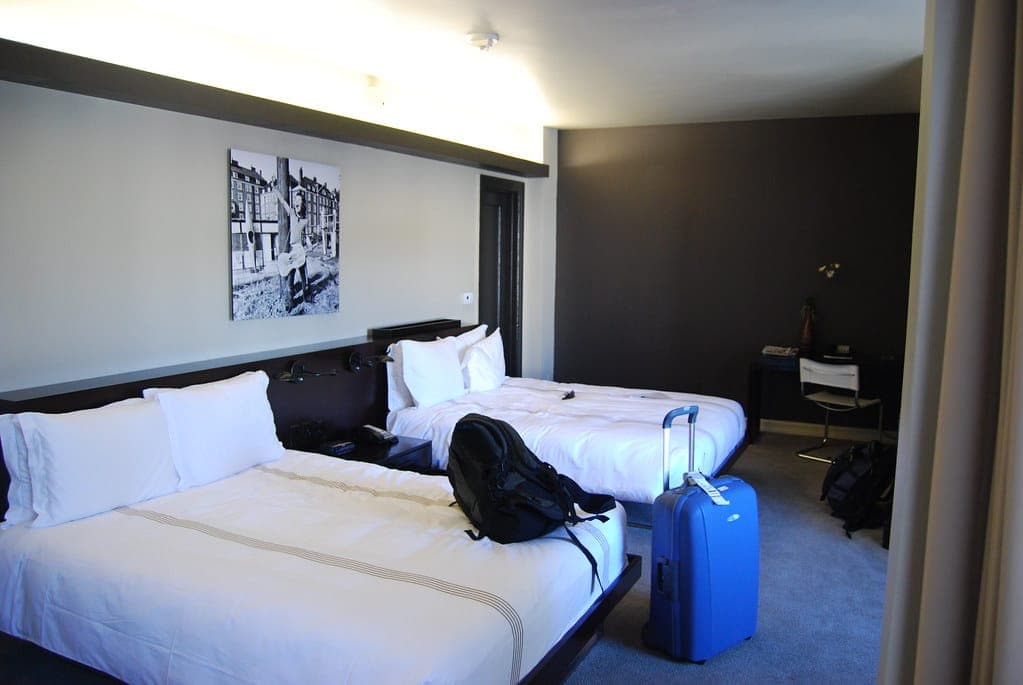
Any accommodation business can get bedbugs, because guests bring them in on luggage from wherever they have stayed before. What separates well-run properties is how quickly they spot problems and how well they respond. This guide is for hotel, guesthouse and serviced apartment managers and housekeeping teams.
Why accommodation is vulnerable
- A constant flow of guests and luggage from many places.
- Many beds and soft furnishings close together.
- Shared walls, service ducts and linen trolleys that can carry bedbugs between rooms.
- Turnaround times that leave little opportunity for detailed checks.
Train housekeeping to spot early signs
Housekeepers see every bed, every day — they are your best early-warning system. Train them to check, during each room turnaround:
- Mattress seams and corners, especially at the head of the bed.
- The headboard edge and the gap against the wall.
- Sheets and pillowcases for small dark spots or blood marks.
- Luggage racks and upholstered chairs.
Give them a simple way to report and a clear rule: if in doubt, report and take the room out of sale until it is checked. Our guide to identifying bedbugs in a mattress and bedroom can be used as a training reference.
Responding to a guest report
- Take it seriously and respond calmly. Move the guest to a room that is not adjacent to the affected room.
- Contain their belongings. Offer to bag the guest's clothing for laundering, and advise them to inspect luggage before taking it home.
- Take the room out of service immediately, along with any linen from it. Bag linen in the room before it goes on a trolley.
- Arrange an inspection of the room and the rooms on either side, above and below.
- Treat confirmed rooms according to a plan, and keep them out of sale until the treatment programme is complete and the rooms have been checked.
Treatment considerations for hotels
- Treatment should be planned around occupancy, with rooms out of service for the treatment and re-entry periods.
- Adjacent rooms are often inspected, and treated if activity is found.
- Our two-treatment programme schedules the second treatment six days after the first, which is straightforward to plan into room availability.
- Clear records of inspections and treatments help management demonstrate due diligence.
See our hotel and hospitality bedbug control service for how we work with accommodation providers.
Prevention measures that pay off
- Mattress and box-spring encasements on every bed make inspection faster and protect the mattress investment.
- Light-coloured bedding and mattress covers make spots easier to see.
- Metal or hard luggage racks away from the bed reduce opportunities for bedbugs to move from bags to beds.
- Regular proactive inspections, in addition to housekeeping checks, catch problems before guests do.
- A written response plan so staff know what to do on any shift.
Talk to us
If you manage accommodation in Nairobi and want a response plan, an inspection or treatment, call 0710 907628, WhatsApp us, or request a quotation.